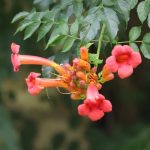
Pride of India, White Cedar, Paraíso, Cinamomo, Agriaz
About This Plant
Invasive
Deciduous
Not Recommended
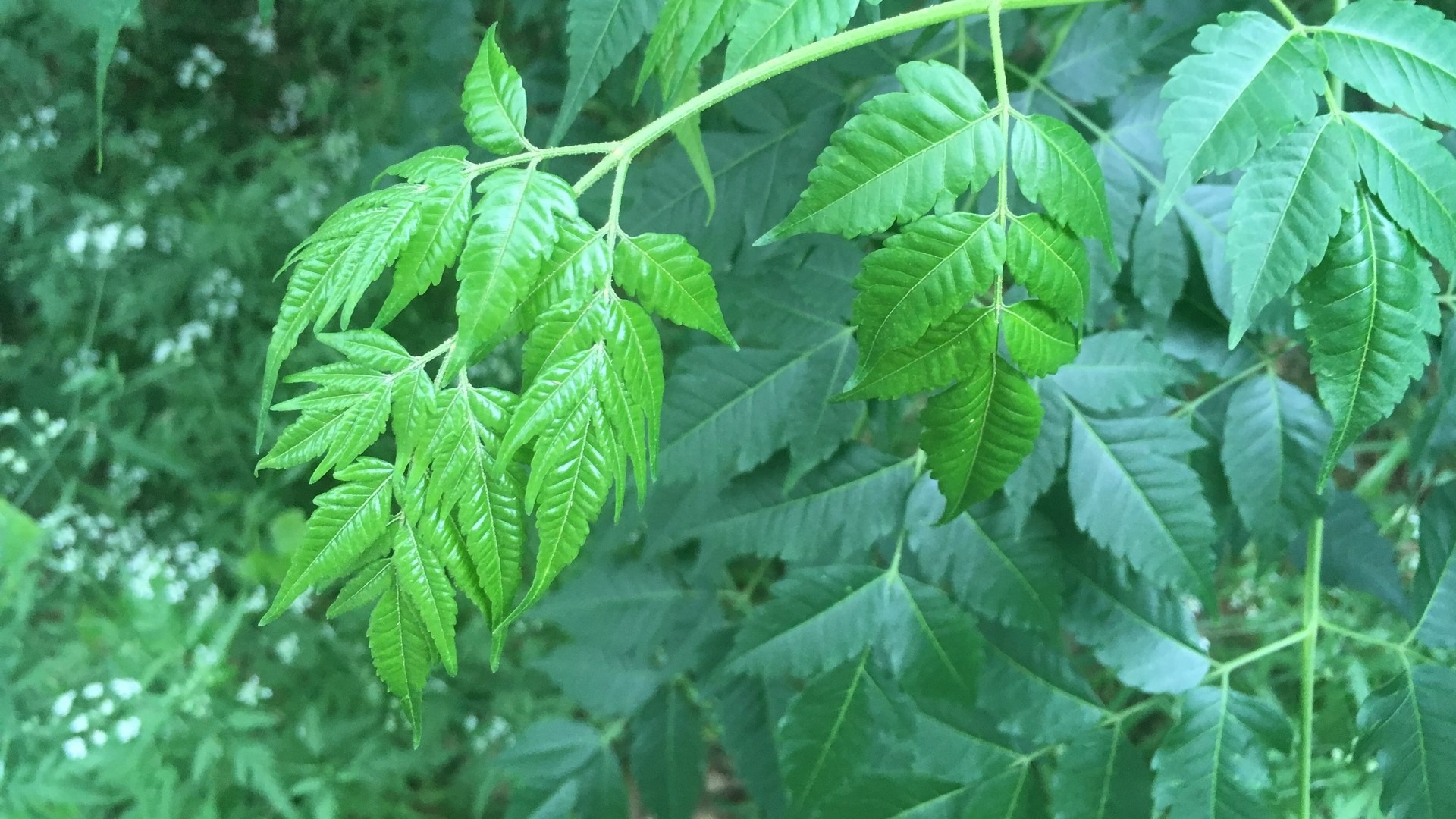
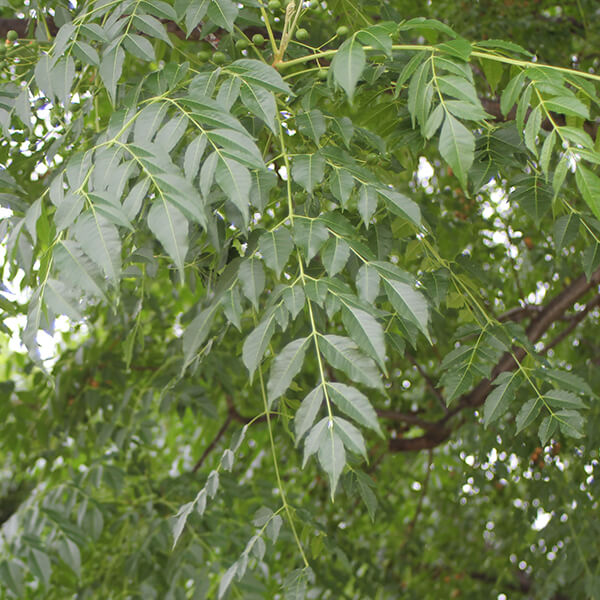
Full sun to partial shade. Lacy, dark-green leaves and clusters of fragrant lavender flowers in spring yield clusters of poisonous yellow berries. Chinaberry can be very fast growing (up to twenty feet in five years) but like many fast-growing tree species, it can be short lived, leaving homeowners with a tall, weak-wooded dead tree after twenty years. The leaves, bark and the persistent fruits are all toxic to humans and many animals if ingested.
Introduced as an ornamental across the U.S. in the nineteenth century, Chinaberry is no longer promoted in the nursery trade, although wild populations are commonplace in home and natural landscapes due to its invasive nature. See below for native alternatives.
Origins: Indomalaya and Australasia
Maintenance
Cut young saplings at ground level before they establish deep roots to prevent spreading. Dig out as much of the root system as possible; leftover roots often resprout aggressively. Remove fallen berries quickly; many birds are resistant to the poison and can spread the seeds widely, fueling new infestations.